Sleep & Dream Foundation
Restoring sleep for children recovering from trauma
Dreaming
Beyond Trauma™
Seven women’s shelters
Collective Impact Report 2026
Practical sleep support for children, families and the people who care for them
In this report
The missing piece in children’s trauma recovery
In 2024–25, around 117,000 people who had experienced family and domestic violence received help from specialist homelessness services in Australia. Nine in ten were women and children.¹ Many children arrive at a women’s shelter safe at last, but their nervous systems are still on alert, and night is when it shows.
Every child needs sleep to grow, calm big feelings and learn. Children recovering from trauma need it most, and are least likely to get it. Shelters offer safety, housing and counselling. Yet practical support for sleep is often missing from everyday shelter care.
Shelter staff see sleep issues every day. Almost none have been trained to help
- hear mothers and children talk about sleep struggles
- 91%
- see stress and anxiety keeping families awake
- 84%
- felt confident helping
- 16%
- had never had any sleep training
- 89%
Staff baseline survey: 43 staff across five organisations.
Embedding sleep support into shelter care
Dreaming Beyond Trauma™ does this in three ways: through the room, the family and the staff. Each part matters on its own. Together, they change what night feels like for a child.
Calmer spaces
Bright overhead light keeps stressed bodies alert. Soft amber light tells the body the day is ending, like a sunset inside, and it stays for the next family. Weighted blankets bring extra calm: some go with the children who need them most, and others stay in counselling rooms and playgroups.
Sleep packs to keep
A clip light, cloud pillow and eye mask, with the Sleep Kit for Kids book: nine calming skills children can learn at bedtime, a calming audio, and a helpful sleep guide for parents. Families take it with them when they leave.
Staff who understand sleep
CPD-accredited training in foundational trauma-informed sleep care, so staff can guide families with confidence.
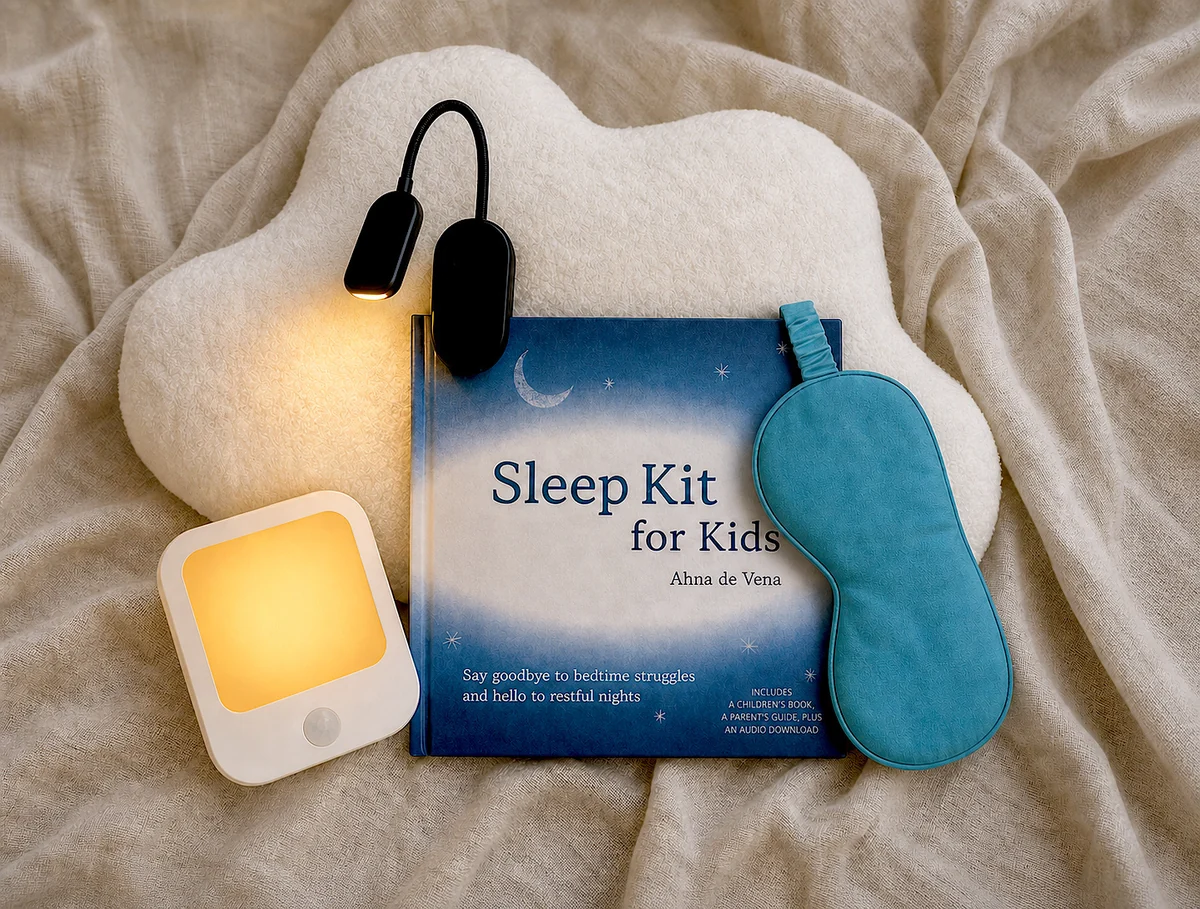
My son loves cuddling his cloud pillow and reading by the amber light.
Helping the body settle
Amber light and weighted blankets can help a child’s body move from alert towards rest.
Ordinary room light before bed can suppress melatonin, the body’s sleep signal. In one adult study, regular room lights cut the body’s night-time melatonin release by about 90 minutes.¹ Our amber lights emit no blue light, offering gentler light for evenings and night waking.
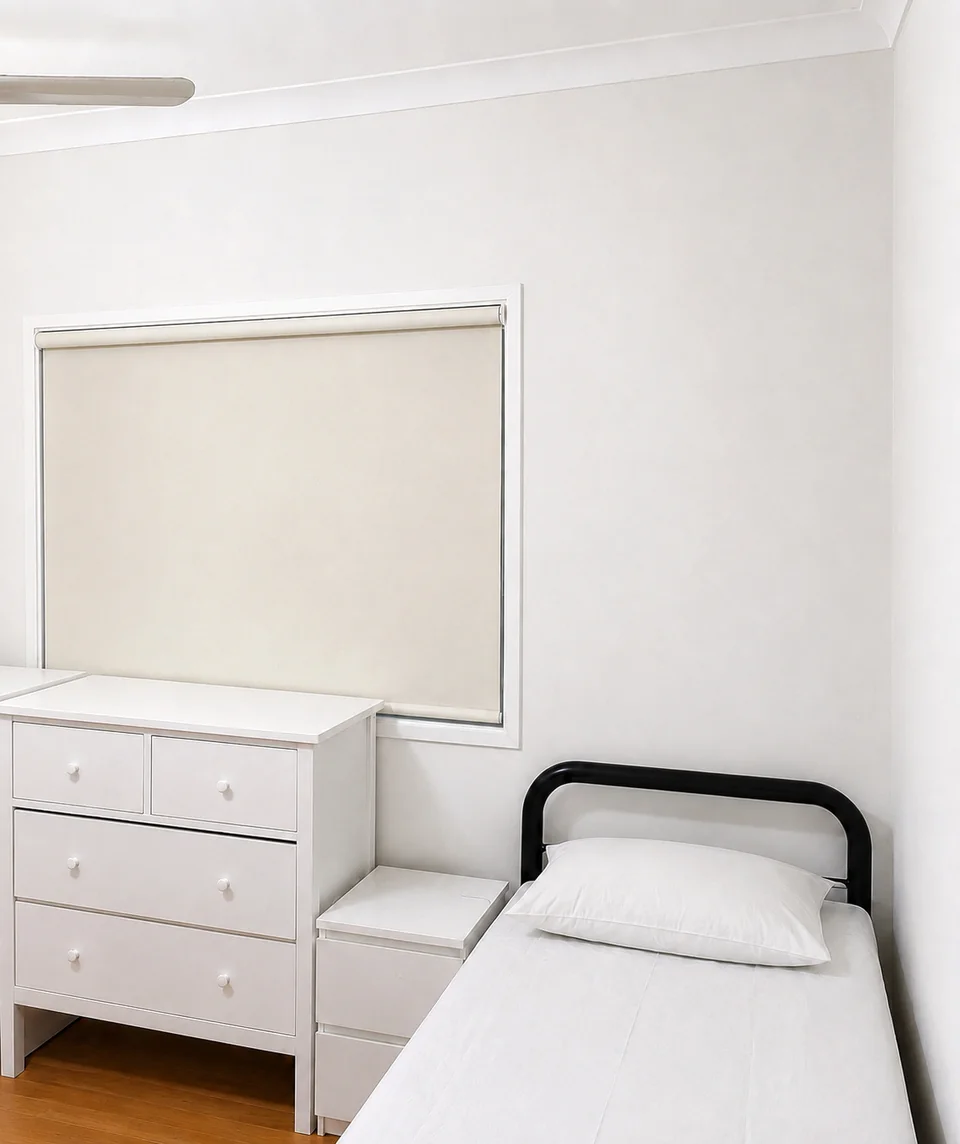
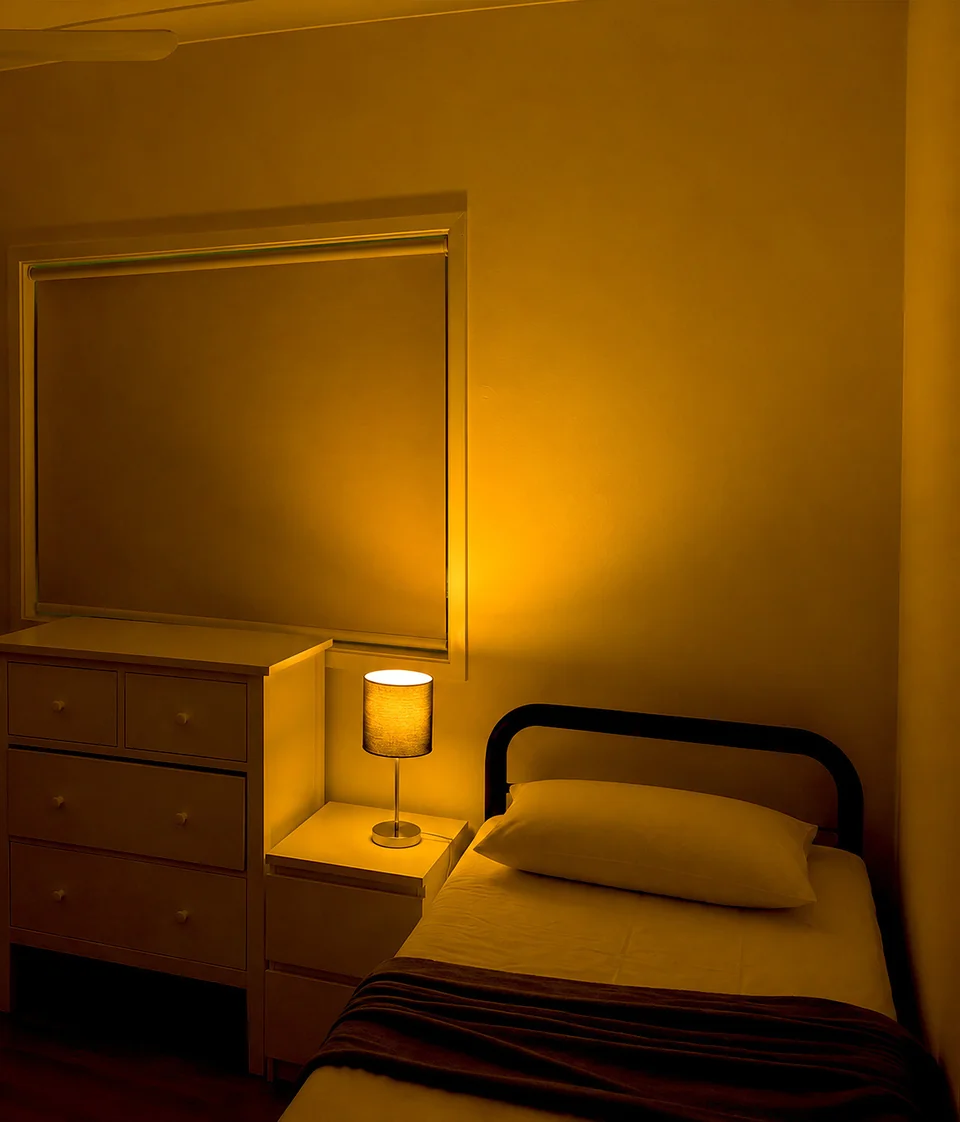
Very helpful during midnight wake-ups… easy to go back to sleep without turning the main light on.
Weighted blankets
Gentle, even pressure can feel calming. A four-week trial with 120 adults with insomnia and mental health conditions found that weighted blankets reduced insomnia and daytime symptoms.²
His magic blanket
At Peggy’s Place, a boy found entering playgroup hard. At first, he used the blanket over his legs. Over time, he wrapped it around himself as he settled. The team calls it his “magic blanket”.
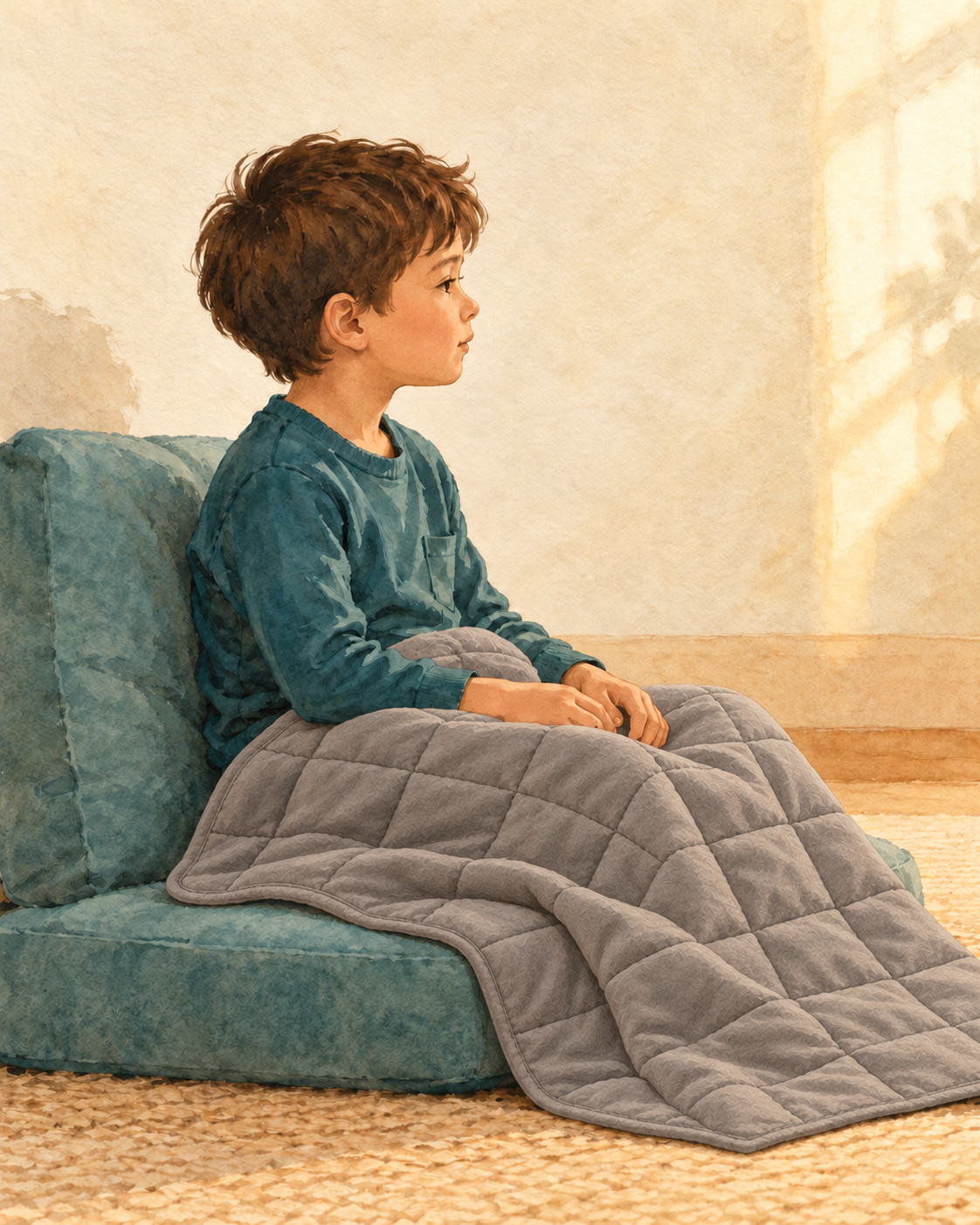
Every child we tracked slept better
Staff recorded detailed sleep observations for nine children, aged one to nine.
Average ratings improved across all six areas
1 — Often difficult5 — Calm and settled
| Before | At follow-up | |
|---|---|---|
| Less night-time distress | 2.1 | 4.1 |
| Easier bedtime settling | 2.1 | 4.4 |
| Fewer night wakings | 2.2 | 4.3 |
| Easier return to sleep | 2.7 | 4.1 |
| Calmer mornings | 2.2 | 4.0 |
| Better daytime regulation | 2.6 | 4.1 |
Average staff ratings, at baseline and follow-up (1–5 scale).
Child appears more regulated throughout the day, is seen to be playing more and showing less signs of distress.
About this evidence: This is an early proof of concept. Groups were small, follow-up ranged from 2 to 12 weeks. There was no comparison group, so we can’t yet say how much of the change came from Dreaming Beyond Trauma™ alone, within each shelter’s wider care.
Recovery, one night at a time
For one five-year-old boy at Patricia Giles Centre, nights were marked by fear and frequent waking. His Child Advocate recorded a gradual shift towards calmer nights and mornings.
At the beginning
High fear. Frequent waking. Needed real reassurance just to fall back asleep.
Six weeks in
Fear easing. Won’t go to bed without his amber light and sleep book. Has quietly claimed his mum’s sleep mask.
Twelve weeks in
Falls asleep to a story and amber light. Rarely wakes. Calm mornings.
He’s nowhere near as restless through the night now, and falls into such a calm mindset after reading with the amber light.
When children sleep, families can rest
When a child settles, a mother can finally rest. Families described quieter minds, calmer bedtimes and waking more rested. All six families who gave written feedback would recommend the resources to other families.
It supported my children to sleep well and that helped me sleep.
Giving what she never had
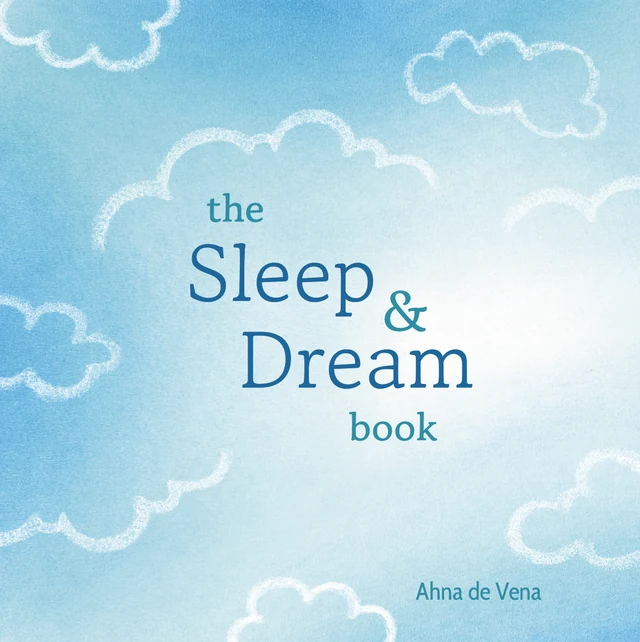
One mother had never been read to as a child. With the Sleep & Dream book and her counsellor’s support, reading the same story each night became their routine, and the repetition itself became a comfort for both of them.
It’s a very good teaching tool for parents.
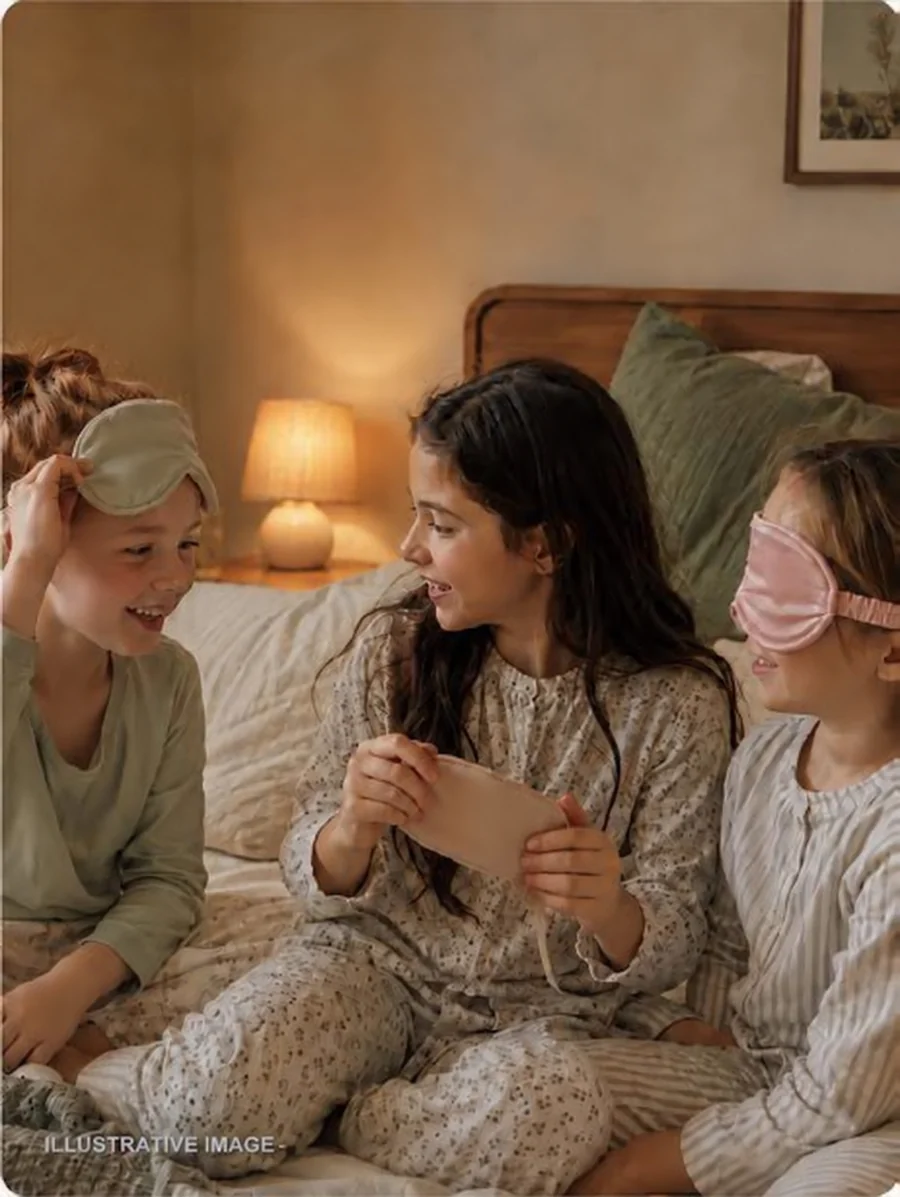
Unexpected joy
Staff noticed children borrowing their mums’ sleep masks and walking around pretending they were at a beauty spa.
For a moment, there’s room to play, imagine and simply be children.
Caring for the people who care for families
Frontline staff carry a lot, and many were exhausted themselves. 45 staff across five organisations now have foundational training in trauma-informed sleep care.
Confidence
- felt confident before
- 16%
- staff member we could compare felt more confident after
- every
Their own sleep
- were sleeping well before
- Only 1 in 5
- followed up say their own sleep or evenings have improved
- 8 of 9
When I use the amber clip light instead of my normal bedside lamp, I have an easier time falling asleep… this changed everything.
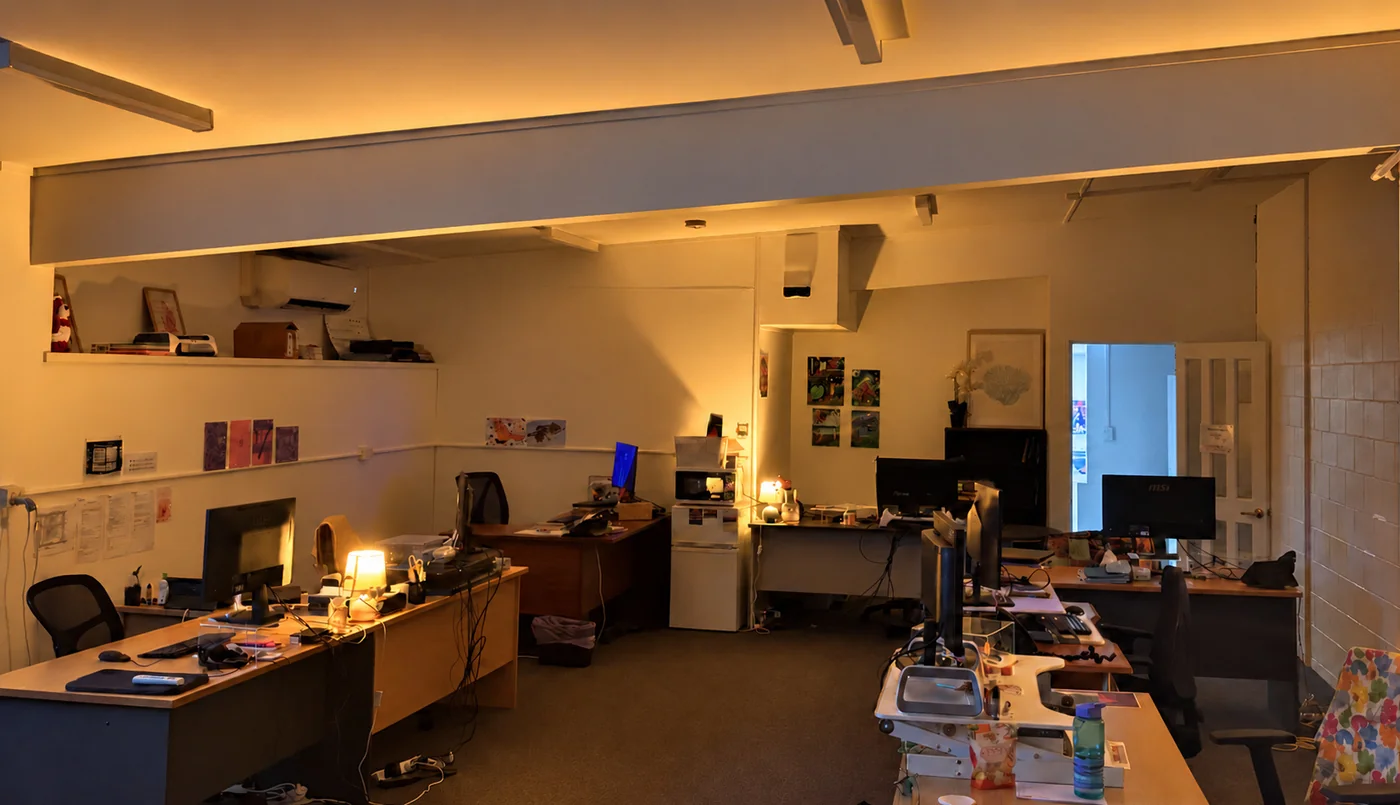
A calmer workplace
At Kyabra, amber lamps now sit on every desk in the staff office, a place where nervous systems can take a breath at the end of a hard day.
Better sleep makes more possible
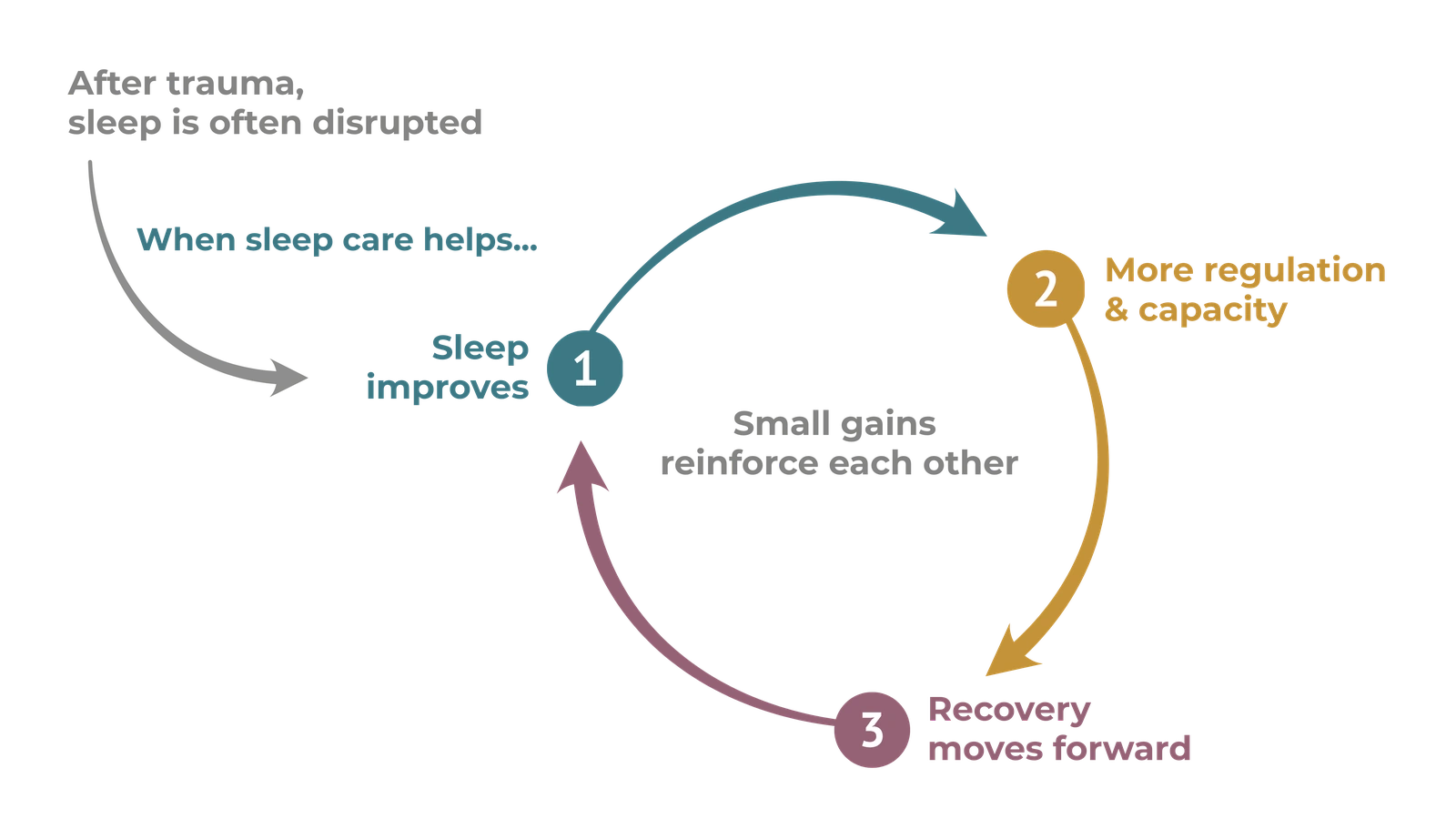
Across seven shelters, we saw the same pattern: as children slept better, their days grew calmer. Mothers saw it at bedtime. Staff felt it in their own lives. The STAR Loop explains why.
The STAR Loop is an evidence-informed framework showing how sleep and recovery can reinforce one another.
The STAR Loop
Sleep-Trauma Adaptive Recovery
- 1 → 2
Better sleep supports clearer thinking, emotional steadiness and more capacity to cope.
- 2 → 3
With more capacity, recovery can move forward.
- 3 → 1
As recovery moves forward, sleep often improves too.
The full loop has not yet been tested as a whole.
Developed by Ahna de Vena
Grounded in research on sleep, regulation and trauma recovery.
Read the full paper: doi.org/10.5281/zenodo.17498174Seven shelters. Three states. Five organisations.
What began as one idea is now part of everyday care in seven shelters across three states. Different settings, different families, and at every site, families and staff saw sleep improve.
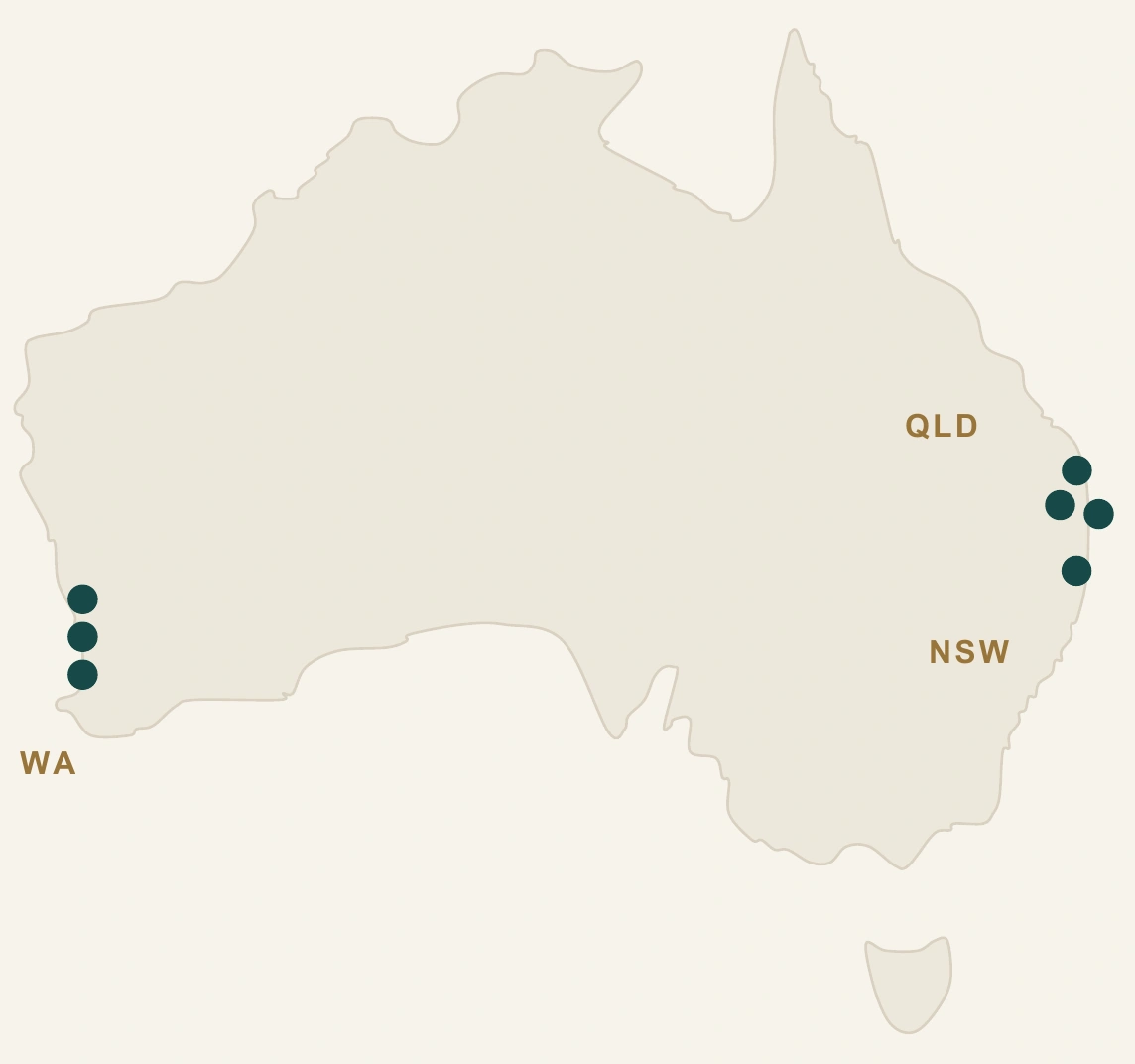
- Patricia Giles Centre for Non-ViolenceThree sites · Perth, Western Australia
- Peggy’s PlaceBrisbane, Queensland
- Kyabra Women’s ShelterBrisbane, Queensland
- Lily HouseQueensland
- Clarence River DFV Specialist ServiceNorthern New South Wales
- sleep packs for families to keep
- 136
- rooms made sleep-supportive
- 131
- weighted blankets
- 102
- staff trained
- 45
Together, we’re making sleep part of trauma recovery
This is only the beginning
Tonight, in seven shelters, children are falling asleep to a story by amber light. Across Australia and around the world, countless more children recovering from trauma are lying awake in the dark.
Every organisation that has taken part wants to continue, and more are ready to begin. Organisations in Europe and Africa have also begun conversations about bringing it to their communities.
Our vision: sleep support as a recognised part of trauma recovery for children everywhere
Join us
For donors: your donation helps give children the rest they need to heal, in shelters and beyond.
sleepanddream.org.auFor organisations: if you’d like to bring Dreaming Beyond Trauma™ to your service, we’d love to talk.
hello@sleepanddream.org.auAs a child, I lived through trauma, and insomnia followed me for years, affecting my physical and mental health well into adulthood. Healing my own sleep changed my life and became my life’s work. Now I get to watch the ripple run the other way.
Children sleeping, mothers resting, lives turning upwards.

Ahna de Vena · Founder and Director
Sleep & Dream Foundation
About this report: Prepared October 2026 by the Sleep & Dream Foundation from data collected November 2025–October 2026 across five organisations and seven shelters: staff baseline and follow-up surveys, training records, matched child sleep observations, and family feedback forms. These are early, observed results. Children are de-identified; quotes shared with permission.
Thank you
To the families who shared their experiences, the teams who brought sleep support into everyday care, and the supporters who made this first implementation possible: thank you.
Partnering organisations




With thanks to our supporters
- Ben Trussell

- Louis Cukierman
- Ella Stratton

- Em Gee
- Rebecca Fanelli