Why sleep belongs in trauma recovery
Exploring a place for sleep within trauma recovery, and what it means to make rest part of the care people receive.
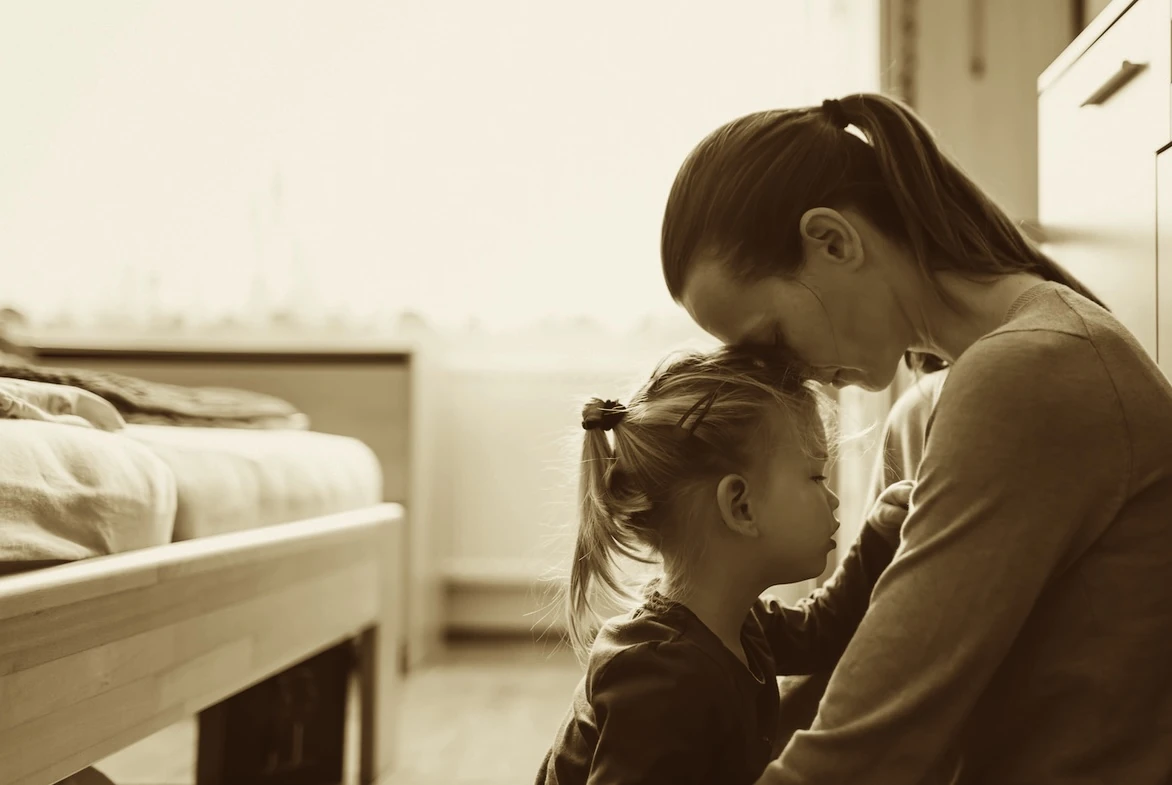
Reaching a safer place can be a significant step in recovery. But it doesn’t always mean that sleep comes easily.
Someone can be deeply tired and still find it difficult to settle. They may lie awake listening, wake frequently or feel uneasy as night approaches. After trauma, heightened alertness and disrupted sleep can continue even when the immediate danger has passed.1
Through my work, I’ve become deeply committed to making room for sleep within trauma recovery. That begins with understanding why rest can be difficult—and offering support that takes that difficulty seriously.
A safer place, a body still on alert
We might expect exhaustion to lead naturally to sleep. But when someone has needed to stay alert to protect themselves, letting go can be difficult.
Understanding this changes how we respond. “You’re safe now, try to sleep” may be well meant, but reassurance alone doesn’t necessarily change how the night feels.
I believe sleep care begins with listening. What happens when the lights go out? What makes bedtime difficult? What helps this person feel more comfortable?
For a child, that might mean having a trusted adult nearby or knowing what will happen next. For an adult, it may begin with being able to talk about the night without feeling pressured to sleep better.
These are starting points for understanding someone’s needs. Each person’s experience deserves that attention.
Sleep deserves its own place in recovery
It’s easy to assume sleep will improve as other parts of life become more settled. Sometimes it does. But research in people with post-traumatic stress disorder shows that sleep difficulties can persist even when other symptoms improve.1
That’s one reason I believe we need to ask about sleep throughout recovery, and make support for it part of the care being offered.
This means looking beyond a bedtime routine to the person’s circumstances, their environment and what they’re experiencing at night. It also means recognising that gentle everyday support and more focused help with persistent sleep difficulties can both have a place.
For families already carrying so much, sleep mustn’t become another thing they feel they’re failing at. The intention is to make rest more possible, with patience and support that responds to their needs.
Difficulty sleeping after trauma doesn’t mean it will always be this way. Sleep can improve.1 We can hold that possibility without rushing someone towards it.
Making room for sleep is part of making room for the person who’s recovering.
Sources
- So, C. J., Miller, K. E., & Gehrman, P. R. (2023). Sleep disturbances associated with posttraumatic stress disorder. Psychiatric Annals, 53(11), 491–495.